The (Un)making of Jantar Mantar 2.0
The story of October 10, the day the national capital was sealed shut against its own citizens
On July 20, Jantar Mantar and its adjoining roads swelled and thrummed in protest against the rot within India’s education system, with close to 3 lakh citizens in attendance. The same Jantar Mantar, come October 10—when similar numbers were projected to protest against corrupt electoral processes—laid strikingly bare. On October 10, like deserted grounds in a post-apocalyptic fiction, Jantar Mantar wore a pristine, untouched colour, as if it hadn’t seen footsteps in a while. As if it were never the grounds citizens frequently occupied to ensure that their human rights were met. As if the very human right tied steadfast to Jantar Mantar—the right to protest—never existed.
ATTENTION, PLEASE! ATTENTION, PLEASE!
6:04pm FridayCentral Delhi
On October 10, an eerie silence draped the tree-lined thoroughfares of New Delhi—a hush punctured only by an icy, disembodied voice. It blared from speakers mounted across the city, repeating on loop an ominous advisory to anyone who would listen—Section 163 of the Bharatiya Nagarik Suraksha Sanhita (BNSS), 2023, is imposed here. Do not gather. Do not protest. Do not obstruct the police. Do not breach the barricades.12 A separate advisory played for media professionals: report on events only “from a distance”. Roads familiar with the bustle of cars, autos, bikes, and buses that ferried daily wage workers now stood deserted. Parks and bus stops, humming with activity, wore a desolate look.
Ten-odd officers in Lutyens’ Delhi occupied every major road, highway, turn, and traffic signal; their mandate was to watch for people who “look like protesters” and turn them away. Hundreds upon hundreds of officers were stationed, fully armed, outside Jawaharlal Nehru University (JNU), Aligarh Muslim University (AMU), Jamia Milia Islamia university, and Ambedkar University. Officers patrolled around mosques; some entered sites of worship and refuge to warn devotees against joining any protests.3 They walked around markets in military gear threatening shopkeepers against helping or sheltering protesters. They hounded and harassed auto rickshaw drivers, food delivery personnel, hotel receptionists, hostels, and residential societies; door-to-door they went arm-twisting citizens into forfeiting their right to protest.
October 10, 2026. A historic day in the national capital in the post-Modi era of resistance.
Several student unions and activist groups had jointly called for a massive protest, continuing a wave of resistance building up across the country against the Special Intensive Revision of voter rolls and calling for the ouster of CEC Gyanesh Kumar.4 In response, the national capital was sealed shut against its own citizens. The Amit Shah-helmed Ministry of Home Affairs stomped on the necks of citizens—students, daily wage workers, the young and the old—who attempted to exercise their constitutional right to protest.
This was unlike July 2026. Back then, student groups and protesters occupied Jantar Mantar for over a month in protest, and thousands upon thousands of other protesters enjoyed the mobility to come in and out of the premises as they pleased. This mobility, a familiarity with the protest site, rising pressures against the incumbent government, and Delhi Police’s covert crackdowns on the protest all led to lakhs of protesters successfully gathering and marching in Central Delhi on July 20. For the most part, Delhi Police watched this happen from the sidelines. The Ministry of Home Affairs let the protest take course, and instructed the brutal violence we know of only once they saw the march succeeding.
But October 10 was different. This time, in came the orders:
The very right to protest had to be erased.
This is the story of that historic erasure and repression. It is the first public archive documenting the State’s weaponising of critical infrastructure and services in the national capital — transport, roads, mobile connectivity, internet, free press — to quash dissent and violate people’s constitutional rights; to restrict people’s access to space, to information, and to each other. It documents evidence, official and lived, of surveillance, detentions, censorship, and violence — both physical and economic — revealing the tools of an anti-democratic and autocratic government.
It is also, in many ways, a record of people’s resistance in making. Thousands if not lakhs of citizens attempted to travel to protest sites or expressed dissent through language or bodily presence, and despite the capital being turned into a fortress, their dissent lived across several spaces at several moments in time.

9:43am SaturdayMathura Road
Space
How the State weaponised its control of routes, borders, and services
@SushantSin
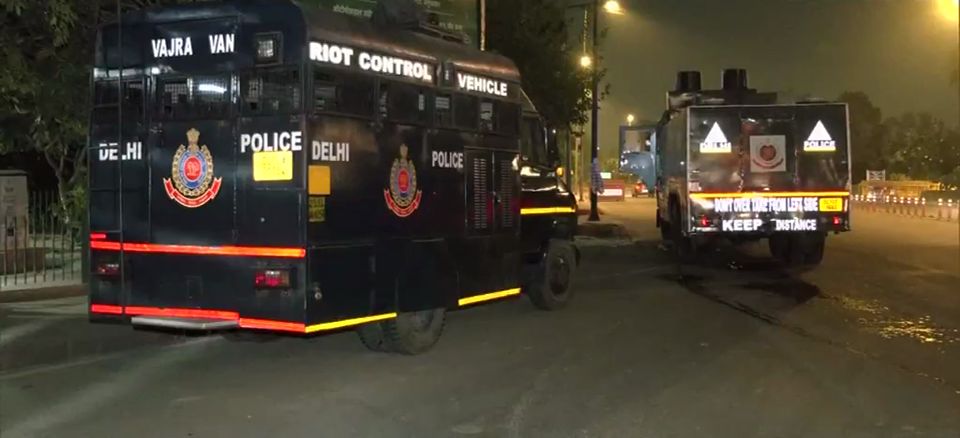
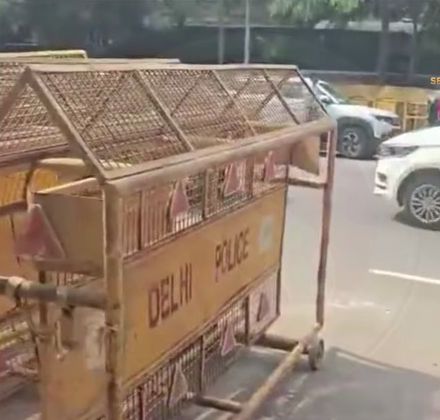
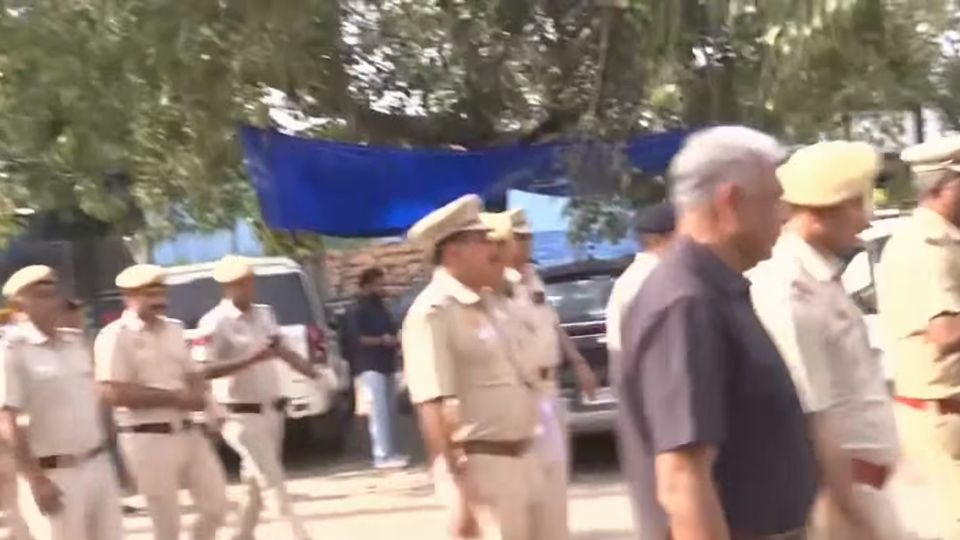
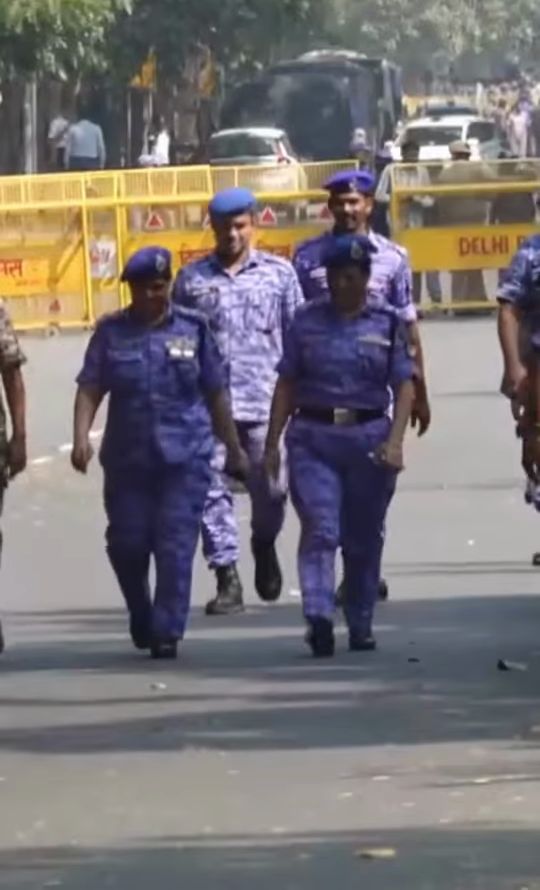
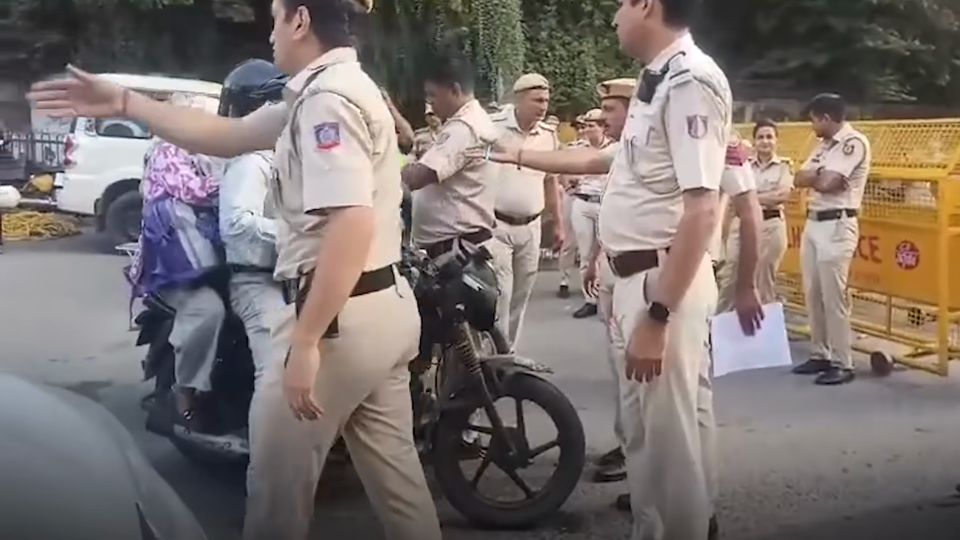
In Central Delhi, hanging from the redbrick public walls, were massive make-shift posters warning passers-by that it is a criminal offense to gather in groups of five and more. The lush green NDMC streets were speckled with a ghastly yellow: barricades, bearing Delhi Police signage, in the thousands, a fraction of them nailed into the ground. The barriers had appeared overnight, so had buses with the sole purpose of detaining dissentees. Alongside them were military grade vehicles, armed trucks, anti-riot vans, and surveillance vans.
The political arteries of the country, leading straight to its rebellious heart, were strategically choked. On that Sunday morning, a convoy of control and intimidation lined all roads leading to Jantar Mantar.
Central Delhi
Delhi
Delhi
The State mobilised its machinery to strategically seal and seize the city, restricting people’s entry into and movement across the national capital. It brutally exercised its control over routes, spaces, borders, and services.
Consider the scale of enclosure. The Home Ministry deployed 221 companies of Central Armed Police Forces (CAPF) in Delhi between October 8 and 12, 2026—approximately 23,000 personnel.5 Additional Central Reserve Police Force (CRPF) companies were brought in from the states of Jammu and Kashmir, West Bengal, and Chhattisgarh.6 Reports put the combined deployment of Delhi Police and paramilitary personnel at more than 35,000.7
This force was backed by a complex entry-and-exit grid across central Delhi. A 37-point police plan8 identified blocking points across New Delhi district, which was divided into 20 security zones.9 Each zone was to be monitored via five CCTV control rooms10, drones, facial recognition systems (FRS), and rooftop spotters across the area.11
Access to Jantar Mantar itself was cut off by five-layered metal barricades12; it was also backed by a 1.5-km sensitive zone where, according to a security official, more than 6,500 personnel were to be deployed.13 And within a four-kilometer radius, roads were sealed behind multiple layers of barricades, with spike strips and vehicle checks restricting access.14
Police placed traffic restrictions on 30 locations up to 6.7 kilometers from Jantar Mantar
Junctions, roundabouts and flyovers where Delhi Traffic Police said movement would be restricted from 6am on Saturday 10 October. Hover for details.Tap a details.
© OpenFreeMap, OpenMapTiles, OpenStreetMap
Source: Delhi Traffic Police advisory of 9 October, as published by the Hindu. Positions from OpenStreetMap
Delhi had transformed overnight into a high-tech fortress.
Days earlier, on October 4, the Union Home Secretary in a meeting asked state police chiefs and senior officers to identify people who had attended similar protests and thwart their travel to Delhi.15 States were directed to undertake preventive detentions and share intelligence in real time across state agencies, transit authorities and Delhi Police.
All institutions complied.
NCR borders were fortified, and prohibitory orders under Section 163 of the BNSS were imposed. At checkpoints like the Singhu, Tikri, and Chilla borders—the nerve centres of the farmers’ protest in 2021—and the Ghazipur border, police checks intensified.16 Commercial buses were stopped, and travelers were questioned about their destinations. Police scrutinised private vehicles and taxis entering from Noida, and people suspected of heading to the protest were turned back.
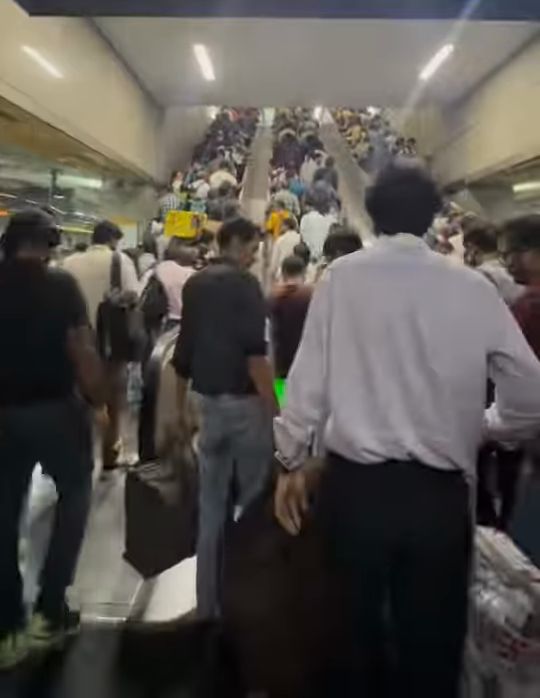
The restrictions also brought the city's public transport network to a near standstill. Entry and exit gates at 45 key metro stations were shut from the night of October 9 till 10 PM the next day.17 This blanket restriction was enforced despite the Supreme Court's October 9 directive warning authorities against complete and disproportionate restrictions on public transport.18 Additionally, Delhi Transport Corporation (DTC) routes (for state buses) that passed through the New Delhi district were diverted or restricted on the day of the protest. The Northern Railways, in an unprecedented move, cancelled 170 passenger trains19 and stopped nine trains short of the city at Ghaziabad.20 Western Railways also cancelled three trains to New Delhi, justifying the decision as one "taken in view of traffic pressure."
- Friday 9 October
-
The Supreme Court hears a challengeOn Friday afternoon, petitioners bring the police letters to the Supreme Court, which records the police's request that the Metro shut down the gates of 57 stations starting at 9 p.m.
-
The Supreme Court says the bans go too farThe government agrees to reexamine the orders, which the court claims amount to a total ban on essential public transportation; however, the Metro closes 45 of the 57 stations that evening.
-
Northern Railway cancels 170 local trainsPassenger trains that run between Delhi and the surrounding towns, of which 170 are cancelled for Saturday while 9 more are stopped short of the city at Ghaziabad.
-
West Central Railway cancels 3 more trains, and blames trafficAnother part of the railways gives a different reason. "Three trains to New Delhi will remain cancelled to spare passengers inconvenience," reads the headline in Hindi, while the line beneath it states that the decision was "taken in view of traffic pressure."
Orders to shut, cut or ban reached 27km from Jantar Mantar, the protest site
Metro stations shut, mobile internet cut and gatherings banned in Delhi for Saturday 10 October Hover a station for its history.Tap a station for its history.
© OpenFreeMap, OpenMapTiles, OpenStreetMap
- 45 stations closed (~25 hrs)
- 12 of them for the first time
- 11 left open
- 4 km radius for internet shutdown (24 hrs)
- 8 detention centres with internet shutdown (around 500m)
- Ban on public gatherings in effect
Source: Home Ministry orders of 9 October, Delhi Metro notices, Delhi Police letter to the Metro of 8 October, Delhi Police statement to the Supreme Court as reported by PTI. Police area boundaries from Geospatial Delhi
Delhi Metro has shut stations for protests since 2011, but never this many at once. The most on any earlier day we could find was 30, during the farmers' tractor rally on Republic Day in 2021. On October 10, it recorded 32.1 lakh journeys, against 59.4 lakh on the Saturday before, a fall of nearly half.21
The Metro shut 45 stations on 10 October. Its previous most for a protest was 30
Most stations shut on a single protest day, each year since 2011
Source: Delhi Metro notices as reported in the news, 2011 to 2026. One square is one station.
Daily commuters were left to navigate road closures and diversions as their usual routes and transport options were disrupted. Many commuting to seek medical services claimed that the excessive road closures, along with Delhi Police arbitrarily profiling and diverting vehicles, caused them to cover massive distances by foot, or take longer routes to find hospitals.
Cancelled train routes on October 10
- 166 trains cancelled for a “planned protest/demonstration”
- 62 trains cancelled for “anticipated severe road traffic congestion”
44 long-distance trains cancelled across India
© OpenFreeMap, OpenMapTiles, OpenStreetMap
172 local trains cancelled around Delhi
© OpenFreeMap, OpenMapTiles, OpenStreetMap
Source: Northern Railway and West Central Railway press releases, 9 to 11 October. Distances are measured along the track. 13 of the 229 cancelled trains are not drawn because their route is not known. 11 more trains were cut short or run late
It is important to note that the security deployment has continued beyond the protest. On October 31, the Centre extended the presence of 270 CAPF companies in Delhi until November 16–citing the INDIA bloc rally, “possible flash protests”, and “festival-season security”.22
Information
How the State throttled the right to information and connectivity
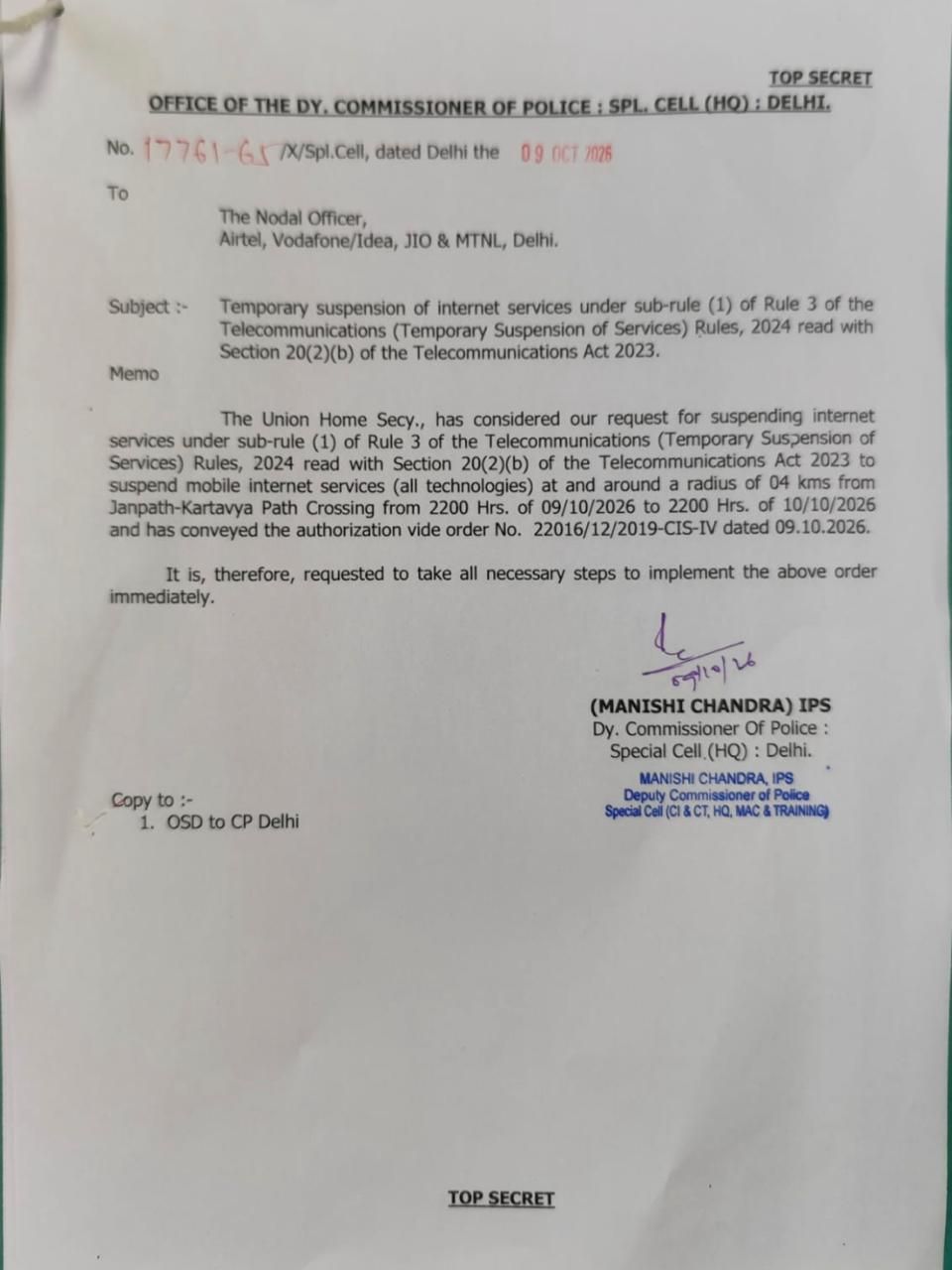
The Ministry of Home Affairs approved a 24-hour mobile internet shutdown in and around central Delhi on October 10.23 In contrast to the shutdown orders issued during the July students’ protests, which covered 1.5 km around the protest site, the order for October 10 covered 4 km—roughly seven times the area. A second order on the same day shut mobile internet for 500 metres around all of the eight stadiums and community halls on the outskirts of Delhi, where detainees were held.24
- Friday 9 October
-
The Home Ministry cuts mobile internet in central DelhiStarting at 10 p.m. on Friday, mobile internet will be shut down for 24 hours in all locations within 4 km of the capital's center.
-
The Home Ministry cuts mobile internet at 8 more placesFrom noon to 10pm on Saturday, a second order cut mobile internet for 500m around 8 stadiums and community halls on the outskirts of the city,where people detained that day were held.
1Marked "top secret"
2According to the Internet Freedom Foundation, roughly 50 square kilometers—which includes the Supreme Court, Parliament, and at least two major hospitals—were without internet access.25
© OpenFreeMap, OpenMapTiles, OpenStreetMap
The Supreme Court in its October 11 order prohibited a blanket shutdown of Delhi Metro, train services, and internet access26—directions which the Delhi Police violated hours later and repeatedly over the next few days. In response to a contempt notice issued to Home Secretary Govind Mohan, the Centre issued an “unconditional apology” while defending the network blackout.27
Beyond network suspensions, Delhi Police deployed vehicle-mounted and smart jammers to disrupt cellular signals and ordinary phone calls in the area. RTI disclosures revealed that Delhi Police spent close to ₹161.27 crore acquiring 34 jammers under confidentiality exemptions.30
It is worth noting that a week before the protest, on October 3, BitChat—a messaging service that works via Bluetooth and does not require internet connectivity, and was widely used during the July students’ protests—was abruptly removed from the Google Play Store and Apple App Store in India.31
As journalists and citizens documented the crackdown and police brutality online, state cyber cells issued takedown notices under India's Information Technology Act, 2000, and the subsequent 2021 Rules, to censor ground reportage and documentation. Notable digital outlets and handles restricted or blocked in India included Observer Post Hindi, Mathrubhumi English, Journo Mirror, and Molitics India, alongside independent journalists Shubhangi Das Gupta (@shubhangi_decodes)32 and Muskan Agrawal (@muskan_informs).
The Delhi Police also forcibly seized phones from journalists and forced detained reporters inside police buses to delete recorded video footage.33
No stone was left unturned, and no right went unviolated.
8:30am SaturdayJantar Mantar
People
How surveillance, house arrests, and unlawful detentions stifled people’s resistance
@ANI
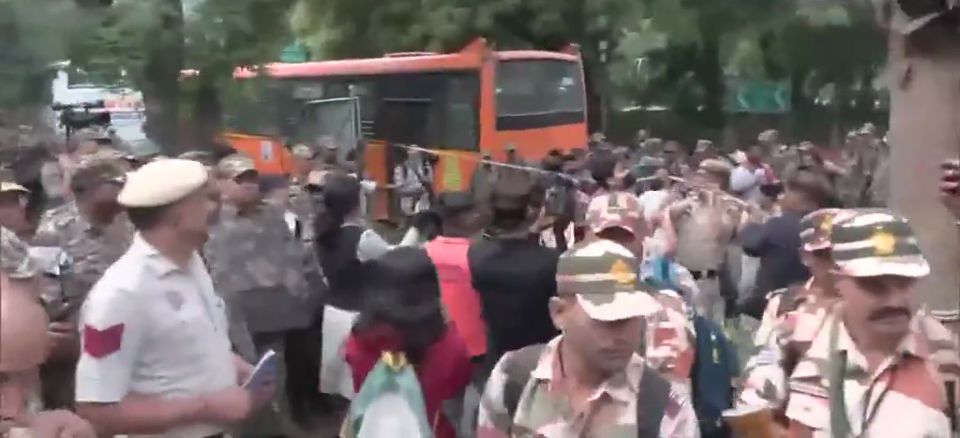
Despite the closures, and the elaborate and pre-planned state-imposed restrictions, thousands of protesters still thronged spaces in and around central Delhi. People had dared to resist. What ensued then was a brute display of force.
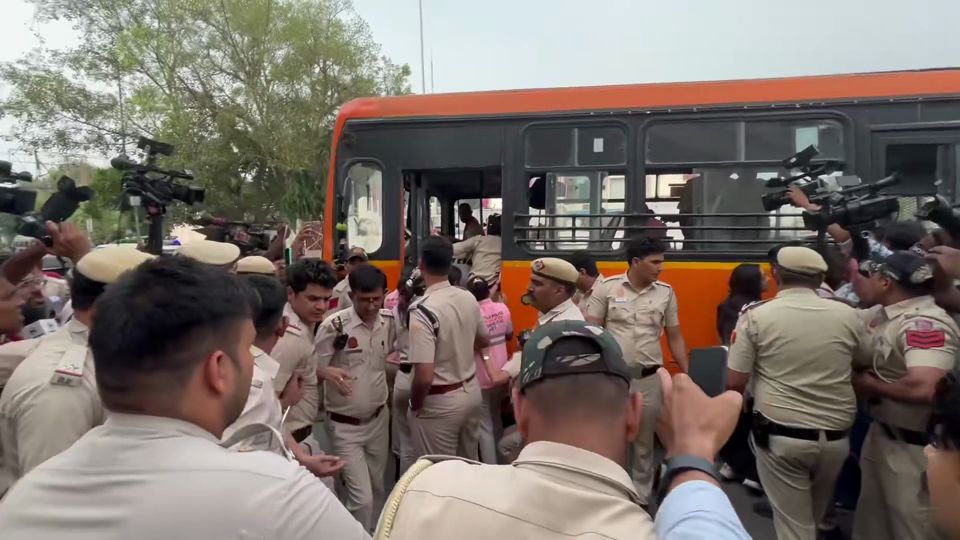
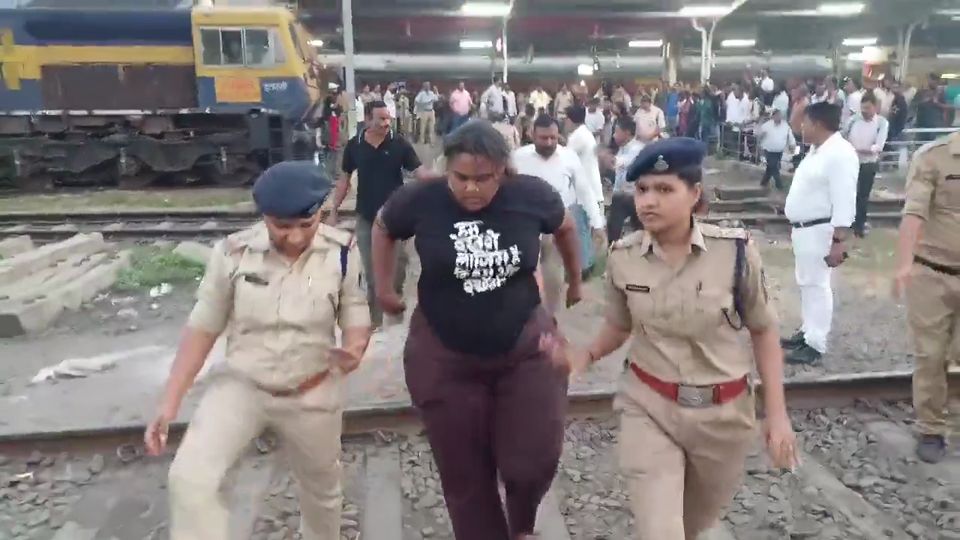
The police and paramilitary forces conducted mass detentions. Estimates suggest between 5,000-7,000 people were detained on October 10.3435
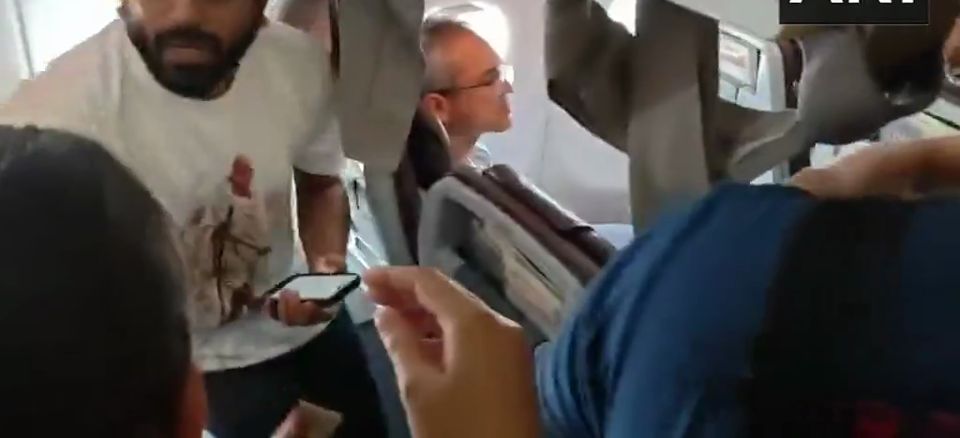
Demonstrators were rounded up directly at bus stops, around the Rajiv Chowk metro gates, at RK Ashram Marg, and outside Bangla Sahib Gurdwara. Cockroach Janata Party’s founding president Abhijeet Dipke, along with co-convenors Saurav Das and Ashutosh Ranka, were detained on board their flight immediately upon landing at the Delhi airport by nearly two dozen police personnel. Security forces equipped with bodycams and riot gear “physically shoved, dragged, and manhandled protesters”, forcing them into police buses fitted with wire grills.
“Mr Modi, do whatever you want. Call out all the police: 10,000, 20,000, 50,000... Arrest all the leaders. Arrest all the young people... Mr Modi, we're surrounding you.”
Detentions spared no political actor. The list includes:
- Political and student leaders: Former Kerala CM Pinarayi Vijayan; CPI(M) MPs John Brittas, KN Balagopal, and Brinda Karat; former Delhi CM Arvind Kejriwal; AAP MPs Manish Sisodia, Saurabh Bharadwaj, Sanjay Singh, and Gopal Rai were detained.363738 CJP legal head Ratna Singh was confined outside her Jangpura residence.
- Activists: Yogendra Yadav, Prashant Bhushan, and AISA President Neha Bora were detained near INA Market / Dilli Haat.39
- Lawyers: A contingent of lawyers marching from the Supreme Court to Jantar Mantar were detained on the road, prompting an urgent intervention request from the Supreme Court Bar Association.4041
- Journalists: More than 30 journalists42 were detained while reporting on Delhi streets, including Ayush Tiwari and Shoaib Daniyal (Scroll), Ashwine Kumar Singh, Astha Savyasachi, Anmol Pritam, and Anshu (Newslaundry), Hritik Joshi and Rahul Charas (Navbharat Times), Jagriti Trisha (BoomLive), Shivang Shukla (India Today), Neeraj Jha (Molitics), Paranjoy Guha Thakurta, Sarthak (The Quint), Pragya Mishra (Bharat Samachar), and Ryan Thomas (The Caravan), despite displaying press IDs.43 Many of them, including Caravan’s Ryan Thomas, sustained severe injuries.
- Creators: YouTubers Dhruv Rathee (detained at 7:10 AM from his Gurugram home) and Kavya Karnatac (detained at Dhaula Kuan) were also taken into custody.44
Thursday 8 October
Friday 9 October
Saturday 10 October
Sunday 11 October
This crackdown traveled with the people it aimed to stop. Protesters from Maharashtra, Goa and Karnataka were removed from a train in Madhya Pradesh. More than 200 people were detained in Mumbai to prevent them from reaching Delhi. In Gujarat, activists reported house arrests, police visits and calls asking them to sign undertakings.45 Independent journalists were detained on their way to Jantar Mantar. Others were picked up from their homes. Even a student who was coordinating a women’s safety WhatsApp group was detained from her home in Burari.46
Outside of the national capital, more than 400 people were detained, including activist Tushar Gandhi47, actor Imran Khan48, activist and commentator Feeroz Mithiborwala, and members of the Dalit group Vanchit Bahujan Aghadi. Political leaders from West Bengal, including former West Bengal CM Mamata Banerjee, and TMC leaders Derek O'Brien and Saket Gokhale, were blocked from marching and detained49 in police vans. Similar detentions were documented in Chandigarh (where AAP leaders were held)50, Maharashtra, Ahmedabad, and Haryana.
The arrangements for detention drew on vehicles and public facilities earmarked for other purposes. Buses and grilled vehicles were deployed to transport those detained, while stadiums and community centers in far-flung areas were used as temporary holding sites.51 As a practice, detainees were dispersed across remote police stations in private buses till late at night, with no clear route back.
“Delhi is turning into a police state…The police have a free hand to commit severe violations of people's constitutional rights under the garb of administrative law and order.”52
1:27am SaturdayJantar Mantar
Resistance
@ANI
On this day, the Delhi millions of us—of every caste, class, creed, identity, vocation—call home, became a Delhi where none of us felt home. Every resident who dared step out on October 10, regardless of their intent to protest, was branded a criminal, and dealt with as such. The excesses Delhi Police employed to crush a rightful, peaceful protest were so disproportionate they crushed the bones that make this city.
This anti-dissent infrastructure that most specifically harasses the working class is a prominent feature of the incumbent government’s divisive politics. This muscle it flexes repeatedly—be it through road diversions, internet shutdowns, policing, or travel restrictions—deeply wounds the ability of daily wage workers and migrants to live a dignified, healthy life in a city. It cuts access to wages, food security, safe movement, and community. And on and around October 10, it dented the very fabric of New Delhi.
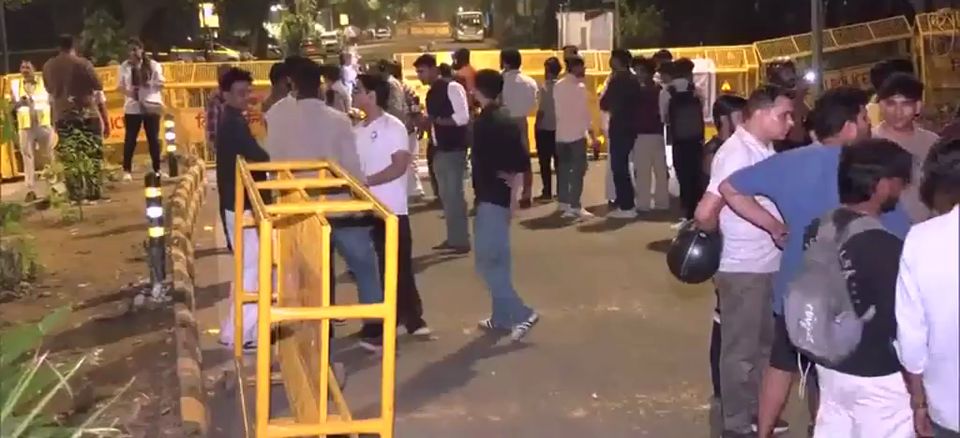
And so it was that despite the arrogance, impunity, and unchecked power, people still came. They travelled on foot, hopped into autos, bundling up in twos and threes. They held their breath between check posts, evading the sea of cops and goons, of barricades and batons. They came knowing the risks, despite the information vacuum and the spectacle of a convoy of detention buses awaiting them. They came—despite the fist of the state raised and ready.
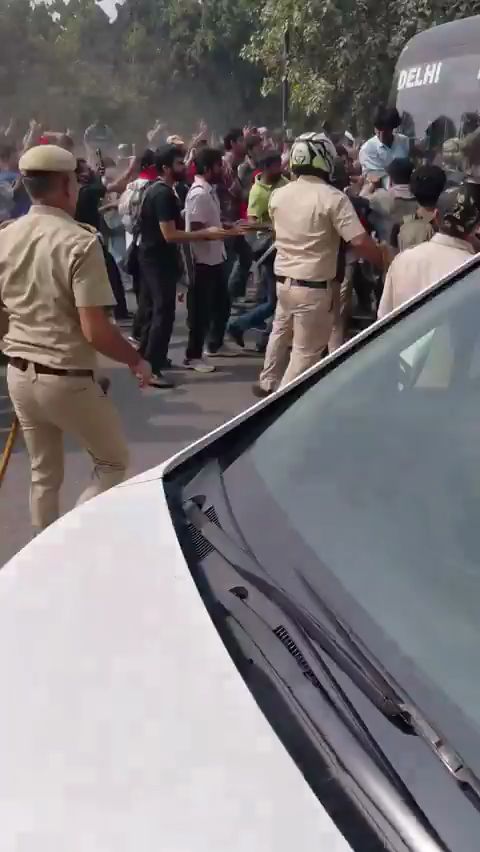
2:16pm SaturdayNear Dilli Haat
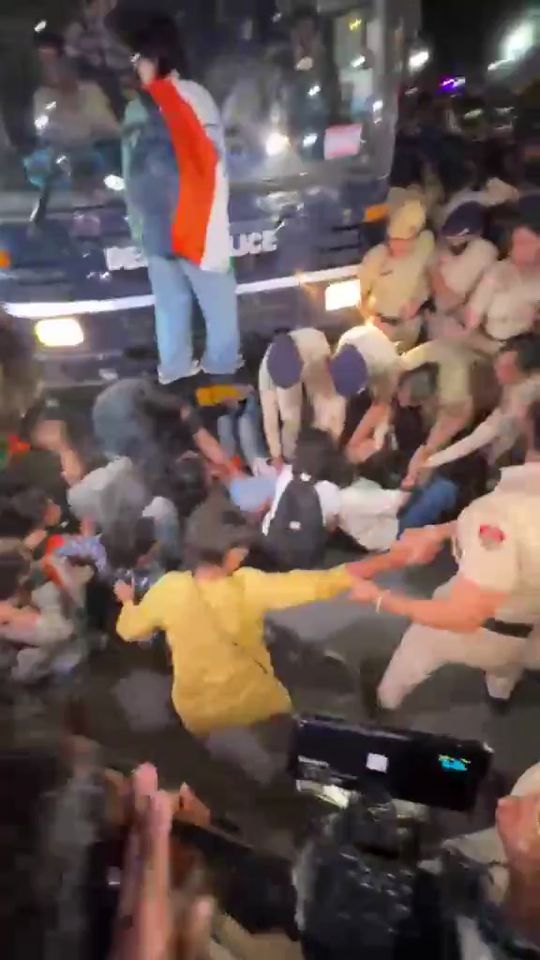
7:21pm SundayConnaught Place
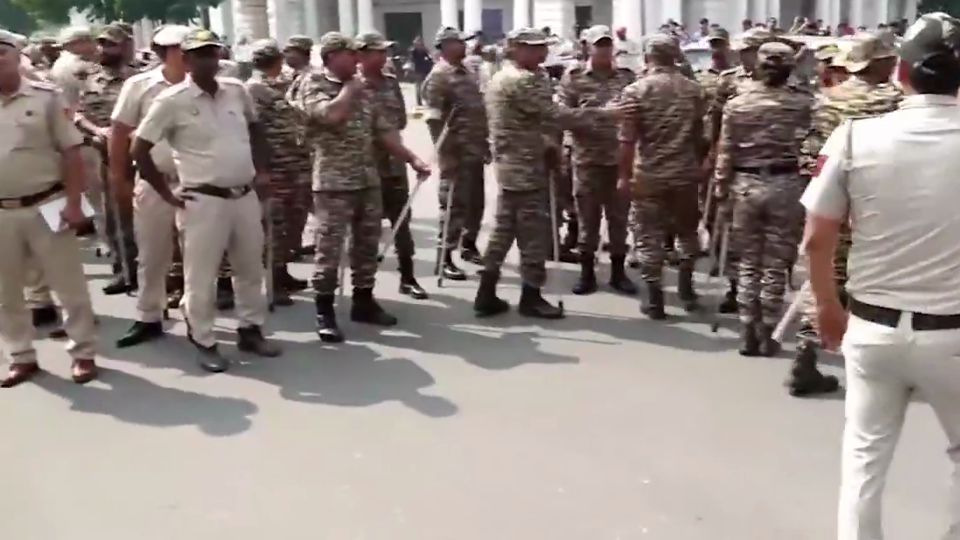
1:46pm MondayConnaught Place
Flash protests sprung across the city, for those who momentarily managed to escape the dragnet, every street was Jantar Mantar and every raised voice, a breach of Section 163.
The story of Jantar Mantar 2.0 is not as straightforward as the State would like—that a struggle was waged and extinguished within hours. Its legacy is far more complicated and challenging. Many Jantar Mantars have bloomed, they had to, because the State has misused its control of built and digital infrastructures at an astounding scale.
Jantar Mantar 2.0 is unfolding—only that Jantar Mantar is now shorthand for resistance waged everywhere, against corrupt regimes, decaying institutions, State-corporate nexus, land theft, labour exploitation, voter exclusions–and an exclusionary, casteist, patriarchal political grammar of citizenship. Resistance is the spectacle we see on the street, but is also a collection of decisions, defiances, moments and movements in which people continue to attempt to resist the government. The fire has to keep burning.
- Research and writing
- Natasha Singh, Aqib Shaikh, Tejasi Panjiar, Disha Verma, Ashlesh Biradar
- Editor
- Saumya Kalia
- Design and development
- Aman Bhargava
Methodology
The information in this story comes from 200 records gathered from 179 public sources between October 10 and November 10, 2026. Twenty-six more were added later. The sources are listed below.
The Home Ministry, the Supreme Court, the Northern Railway, and the West Central Railway issued the orders displayed, while the Internet Freedom Foundation published the police letter on the internet shutdown. The second internet order names 8 grounds, and it was the Hindu that reported people were held at them.
Using news sources quoting Delhi Metro's notices, we compiled every day since 2011 on which Delhi Metro closed stations for a protest to compare 10 October with past demonstrations. After excluding closures for state visits, the G20, and security warnings, that gives 59 days. Ridership on the day comes from Delhi Metro’s affidavit to the Supreme Court, as reported by LiveLaw, and from daily figures reported by the Patriot.
Distances by road between where someone was detained and where they were held are the shortest route, worked out with OpenRouteService. Each is a minimum, since the route the police took is not known.
The Northern Railway and West Central Railway press releases from October 9–11 list the 229 cancelled trains. Each is drawn along the railway track in OpenStreetMap, with its distance measured along that route.
The area where gatherings were banned follows the police sub-divisions that Delhi Police listed in its affidavit of 3 November, as reported by PTI, drawn on boundaries from Geospatial Delhi.
For the number of people detained overall, police said about 500 by mid-morning and 2,500 by night, while PTI, citing police sources, reported more than 7,000.
Maps use data © OpenStreetMap contributors and are drawn with Protomaps, with India’s boundaries from DataMeet (CC BY 4.0).
Sources (205)
- Al Jazeera
- “Indian authorities clamp down as ‘cockroach’ movement launches new protests”, 2 October 2026
- “India’s ‘Cockroach’ leaders released from detention after police crackdown”, 10 October 2026
- “‘How can you stop these kids?’ Indian capital on lockdown before protests”, 10 October 2026
- “Police detain leaders of India’s ‘cockroach’ movement at New Delhi protest”, via Reuters, 13 October 2026
- “Founder of India’s ‘Cockroach’ movement detained amid police crackdown”, via Reuters, 16 October 2026
- Amnesty International
- 4“India: Delhi police must facilitate right to peaceful protest amid lockdown-like restrictions in capital”, 9 October 2026
- Amnesty International UK
- “India: Amnesty demands release of Cockroach Janta Party leaders jailed for trying to protest at Jantar Mantar”, 14 October 2026
- ANI
- “Internet services temporarily suspended within 4-km radius of Janpath-Kartavya Path crossing ahead of Oct 10 protest”, 9 October 2026
- “Delhi Traffic Police issues advisory, warns of diversions at 30 points ahead of CJP protest on October 10”, 9 October 2026
- Asianet Newsable
- 16“Delhi protest: Several trains to New Delhi, Nizamuddin cancelled on Oct 10”, 9 October 2026
- Bar & Bench
- 40“Lawyers detained by police near Supreme Court amid CJP protests”, 10 October 2026
- “CJP protests: Contempt plea in Supreme Court alleges Delhi Metro stations closed despite court order”, 10 October 2026
- “CJP protest crackdown, detentions: LIVE UPDATES from Supreme Court's Sunday hearing”, 11 October 2026
- BehanBox
- 52“Beaten But Unbowed: How Young Protesters Were Detained And Freed in Delhi”, by Saumya Kalia, 19 October 2026
- BOOM
- 2Post on Instagram, 9 October 2026
- BOOM Decode
- “How Delhi Police Ran A Crackdown Within The Crackdown, Against Journalists and Lawyers”, 13 October 2026
- 46“A Delhi Student Was Doxxed And Detained For A Women’s Safety WhatsApp Group”, by Hera Rizwan, 19 October 2026
- “A Blank Placard, A Press Conference: Over 200 Protests Posts Censored On Social Media”, 26 October 2026
- Breakthrough News
- “One barricade after another: How protesters marched on the garrisoned heart of India’s capital”, by Pavan Kulkarni, 17 October 2026
- Business Standard
- “CJP protest: Over 7,000 detained as Delhi Police cracks down on protesters”, via PTI, 10 October 2026
- “Delhi Police gets 300 social media posts taken down for spreading 'rumours'”, via PTI, 12 October 2026
- Business Today
- “Govt issues advisory to social media platforms amid CJP protest in capital; flags misinformation”, 8 October 2026
- “CJP protest on October 10: Full list of Delhi metro stations closed on Friday, Saturday”, 9 October 2026
- “Delhi internet curbs: 24 hour mobile internet block ahead of CJP rally near Jantar Mantar”, 9 October 2026
- “Delhi traffic advisory for October 10: 30 roads to face diversions amid CJP protest”, 10 October 2026
- BW Police World
- 45“Anti CEC Protests- You Tuber Dhruv Rathi detained in Gurugram ahead of the mega protests”, 10 October 2026
- The Caravan
- 1Post on Instagram, 9 October 2026
- Careers360
- “CJP: More than 50 police personnel, protesters injured during 'Chalo Sansad' march, over 100 detained”, via PTI, 20 July 2026
- Civicus Monitor
- “India: Thousands detained in crackdown on mass protests against electoral roll manipulation while activists and journalists are criminalised”, undated
- CNBC
- Post on Instagram, undated
- Committee to Protect Journalists
- 33, 42“At least 43 journalists detained, several assaulted, while covering protests against India’s election chief”, 12 October 2026
- The Daily Jagran
- “46,000 Personnel, Drones And No Entry To YouTubers: How Delhi Police Is Preparing For CJP's Oct 10 Protest At Jantar Mantar”, 8 October 2026
- “Metro Services Regulated, Liquor Shops Closed, Trains Cancelled, YouTubers Banned: Delhi Locks Down For CJP Protest”, 9 October 2026
- “‘Protesting Can Ruin Your Career’: Delhi Police Reach Out To DU Students, PGs Ahead Of CJP’s Oct 10 Protest”, 10 October 2026
- “CJP Protest: Delhi Police Ramp Up Security With Drone Surveillance, Crowd Begins To Gather At Jantar Mantar”, 10 October 2026
- “CJP Protesters Get Refuge In Delhi's Gurdwara Bangla Sahib Amid Police Action; Heavy Security Forces Outside Shrine”, 10 October 2026
- “In Pics: Delhi Turned Into Fortress Amid CJP Protest, Heavy Security Checks In Trains And Buses; Borders Barricaded”, 10 October 2026
- 27“CJP Oct 10 Protest: Govt Tenders 'Unconditional Apology' To SC On Internet Ban, Delhi Police Defends Restrictions”, by Aditya Jha, 15 October 2026
- Deccan Chronicle
- Post on Instagram, undated
- “15 Pune Students Travelling To Delhi For CJP Protest Stopped At Itarsi”, via PTI, 9 October 2026
- Deccan Herald
- 22“Delhi continues to be fortified as Centre extends deployment of 270 CAPF companies in view of I.N.D.I.A bloc protest”, via PTI, 30 October 2026
- Delhi Metro Rail Corporation
- Post on X, undated
- Demócrata
- 13“New Delhi detains 600 before the big protest”, via Europa Press, 10 October 2026
- DNA
- Video on YouTube, undated
- Economic Times
- “Sahyog portal: Govt issues 200 takedown orders ahead of protest demanding CEC’s resignation”, undated
- ETV Bharat
- “Delhi Protests: 20 CRPF Companies Rushed In From Bengal; Police Probing 'Larger Conspiracy'”, 22 July 2026
- “CJP Protest Tomorrow: Railways Cancel Trains At New Delhi, Hazarat Nizamuddin Stations; 57 Delhi Metro Stations May Shut”, 9 October 2026
- 6“Centre To Retain 221 Companies Of CAPF For Next 30 Days In National Capital”, 12 October 2026
- “DMRC To SC: No Trains Cancelled On Oct 10, 32 Lakh Riders Despite CJP Protest Shutdowns”, 14 October 2026
- The Federal
- 35, 38“Delhi protests LIVE | Over 7,000 detained; CJP: Will march to Jantar Mantar again on Sunday”, live blog, 10 October 2026
- Free Press Journal
- 47“Mumbai Police Detain 600 Ahead Of CJP-Backed Protest At August Kranti Maidan; Tushar Gandhi, Varun Sardesai Among Those Held”, 10 October 2026
- “Delhi Metro Tells Supreme Court No Trains Were Cancelled During October 10 Protests, All 4,157 Trips Operated”, 14 October 2026
- Global Governance News
- “Delhi Police Issues 200 Takedown Orders Ahead of CJP Protest”, 9 October 2026
- Gujarat Samachar
- “CJP PROTESTS: Cockroach Janta Party Chief Abhijeet Dipke Detained, Delhi Police Board Aircraft to Intercept Him”, 10 October 2026
- HelloRail
- “38 Trains Cancelled to Delhi Amid CJP Protest Security”, 10 October 2026
- 20“Delhi-NCR Train Cancellations: 250+ Trains Cancelled”, 10 October 2026
- “250 Trains Cancelled in Delhi Amid Protests”, 11 October 2026
- The Hindu
- 31“Bitchat removed from Apple’s India App Store following govt's demand: Jack Dorsey”, via PTI, 4 October 2026
- “Delhi police appeal to citizens not to join CJP’s October 10 Jantar Mantar protest”, by Shrimansi Kaushik, 8 October 2026
- “Delhi Police ramp up ‘perception’ campaign, identifies 500 people, 200 social media channels ahead of October 10 protest”, by Lavpreet Kaur, 8 October 2026
- 15“Ministry of Home Affairs directs States to prevent CJP supporters from mobilising towards Delhi”, 9 October 2026
- “CJP protest: Trains cut, Internet down, Delhi turns a fortress”, by Vijaita Singh, 9 October 2026
- “Delhi Police compile ‘database’ of potential protesters, make calls and visit homes ahead of October 10 Jantar Mantar protest”, by Lavpreet Kaur, 9 October 2026
- 34“Over 5,000 detained in Delhi amid anti-CEC protest”, 10 October 2026
- “Jantar Mantar protest : Delhi police issues traffic curbs at 30 locations; Read to check the full list”, by The Hindu Bureau, 10 October 2026
- 24, 51“Not just Jantar Mantar, mobile internet blocked at eight stadium-turned-detention centres across Delhi on Oct 10”, 11 October 2026
- “Journalists, protesters, MP allege police brutality; cops cite non-cooperation during detentions”, 11 October 2026
- Hindustan Times
- 36“Dipke, Dhruv Rathee, Mamata, Pinarayi Vijayan: Key leaders, CJP face detention on protest day | Full list”, 10 October 2026
- “Deployment, detention, surveillance: How Delhi Police kept Jantar Mantar off-limits”, by Karn Pratap Singh, 11 October 2026
- HNGN
- “India Opposition Leader Held in Voter-Roll Protest Escalation”, 7 October 2026
- Hospitality Biz India
- “Delhi Hotel Occupancies Fall Amid Protests, Traffic Curbs”, undated
- The Independent
- Post on Instagram, undated
- Post on Instagram, undated
- India TV
- Video on YouTube, undated
- “45 Delhi Metro stations to remain closed on October 10 after police proposal accepted by DMRC”, 9 October 2026
- “Delhi Police denies permission to CJP for October 10 protest at Jantar Mantar, cites 'short notice'”, 9 October 2026
- 7, 11“Body cams, facial recognition, drones: How Delhi Police is geared up for CJP's Jantar Mantar protest 2.0”, 10 October 2026
- 19“10 अक्टूबर को दिल्ली से आने-जाने वाली 215 ट्रेनें रद्द, 170 पैसेंजर गाड़ियां भी शामिल, चेक करें पूरी लिस्ट”, in Hindi, 10 October 2026
- 10, 12, 44, 48“CJP Protest highlights: Delhi Police releases all detainees except CJP leaders”, live blog, 10 October 2026
- 17“45 Delhi Metro stations reopened after 25-hour closure amid CJP's anti-CEC protest”, 10 October 2026
- “Delhi Metro closes 6 stations ahead of INDIA bloc's march to Supreme Court”, 12 October 2026
- “Delhi Police asks Home Ministry to extend CAPF deployment till Oct 20, flags possible protests at key sites”, 13 October 2026
- India.com
- Report, 9 October 2026
- Report, 9 October 2026
- Report, 13 October 2026
- IndiaBlooms
- 49“CJP Protest: Thousands Detained In Delhi Crackdown As Mamata, Kejriwal Among Those Picked Up”, via IBNS, 10 October 2026
- The Indian Express
- 8“Delhi Police’s 37-point dragnet to block CJP protests: In graphics”, 9 October 2026
- “Hotels asked to turn away guests, CP to be shut: Clampdown ahead of CJP’s protest”, by Mishal Mussaddique, 9 October 2026
- Inshorts
- “3 Delhi stadiums to be used as detention centres during CJP protest: Report”, via Hindustan Times, 10 October 2026
- “Editors Guild condemns detention of 38 journalists”, 13 October 2026
- International Federation of Journalists
- Report, 14 October 2026
- Internet Freedom Foundation
- 25“Delhi Learned of Its Internet Shutdown from a Leaked “Top Secret” Police Letter, Not the Government”, 9 October 2026
- “MeitY’s “enhanced diligence” advisory pressures platforms to police protest speech. It must be withdrawn.”, 9 October 2026
- 30“Delhi Police Spent ₹161 Crore on Signal Jammers. How It Uses Them Is 'Highly Confidential'”, by Vikram Raj, 15 October 2026
- “Thirty-one days, 121 takedowns: our log from the month after Jantar Mantar”, 4 November 2026
- Kashmir Observer
- Report, via PTI, 24 July 2026
- LawBeat
- 41“SCBA Seeks CJI's Urgent Intervention Against Detention Of Advocates Protesting Outside Supreme Court”, 10 October 2026
- LiveLaw
- 18“Don't Completely Stop Trains/Metro In Delhi To Handle October 10 Protests : Supreme Court To Centre”, 9 October 2026
- “Supreme Court To Hold Sunday Sitting To Hear Contempt Plea Over Closure Of Metro Stations & Train Cancellations In Delhi”, 10 October 2026
- “RJD MP Manoj Jha Moves Supreme Court Against Delhi Police Actions During Protests Against CEC Gyanesh Kumar”, 11 October 2026
- “Supreme Court Adjourns Delhi Protest Matter To October 15”, 13 October 2026
- Lokmat News
- Post on Instagram, undated
- Mediagazer
- “Reporters say Indian police detained ~36 journalists from the Indian Express and other outlets for hours while covering youth protests on October 10 and 11 (Reuters)”, via Reuters, 12 October 2026
- MediaNama
- “Home Ministry order reveals details of October 2 Jantar Mantar internet shutdown”, by Rohit Singh, 7 October 2026
- “Internet shutdown ordered around New Delhi’s Jantar Mantar”, 9 October 2026
- “Live Tracker: Censorship and Digital Developments at CJP Protests”, live tracker, 10 October 2026
- “Supreme Court Orders Unhindered Internet Access in Delhi”, 12 October 2026
- “37 Journalists Detained, 200+ Takedown Orders During CJP Protests”, 13 October 2026
- 32“MeitY Asks Meta to Diversify Narratives Amid CJP Protests”, 19 October 2026
- Mojo News
- Post on Instagram, undated
- National Herald
- “INDIA bloc protest LIVE: Rahul, INDIA bloc leaders reach Supreme Court”, live blog, 12 October 2026
- NDTV India
- Report, 10 October 2026
- NDTV Profit
- 14“Delhi Police Deploy Spike Strips, Multi-Layer Barricades To Block CJP Protest | Watch Video”, by Shreya Sur, 10 October 2026
- The New Indian Express
- “Delhi Police track CJP protesters, logistics suppliers ahead of October 10 stir against CEC Gyanesh Kumar”, 7 October 2026
- The News Minute
- “How police are trying to stop protesters from reaching Delhi for October 10 march”, undated
- “October 10 CJP protest in Delhi: Trains cancelled, 57 metro stations to be shut”, 9 October 2026
- “Over 20 journalists recount the Delhi Police’s use of brute force against them”, 12 October 2026
- News24
- “CJP Protest: Delhi Metro revises curbs after Supreme Court rap, 45 stations to remain affected on October 10; Check full list here”, 9 October 2026
- “Train Cancellation 10 October New Delhi Nizamuddin Rajdhani Cancelled”, in Hindi, 9 October 2026
- NewsBytes
- Report, undated
- NewsDrum
- Report, 5 October 2026
- Newslaundry
- “Train detentions, PG meetings: Police move against October 10 protest over CEC Gyanesh Kumar”, 9 October 2026
- “Three Newslaundry reporters detained by Delhi Police, since released”, 10 October 2026
- “‘Koi media nahi hai’: Inside the Delhi police’s October 10 crackdown on journalists”, 11 October 2026
- NewsX
- Post on X, 2 October 2026
- Post on X, 8 October 2026
- Nieman Reports
- “India Targets Journalists in Crackdown on Growing Protest Movement”, 19 October 2026
- Outlook
- “Barricades, Border Checks, 43,000 Personnel: Delhi Braces For CJP’s Oct 10 Protest”, 8 October 2026
- “Delhi Police Check Hotels, Track Arrivals Ahead Of CJP Protest At Jantar Mantar”, 9 October 2026
- 23“Delhi Suspends Mobile Internet Near Jantar Mantar Till Saturday 10 PM”, 9 October 2026
- 39, 50“CJP Protest Updates: Delhi Sees Heavy Security Deployment, Over 7,000 Protesters Detained During Anti-CEC Stir”, live blog, 10 October 2026
- “Journalists Detained During CJP Protest In Delhi Despite Showing Press Cards”, 10 October 2026
- Patrika
- “दिल्ली जाने वाली कई ट्रेनें रद्द, मगध-संपूर्ण क्रांति समेत इन ट्रेनों के यात्रियों की बढ़ेगी परेशानी; सफर से पहले चेक करें स्टेटस | Delhi Train Cancelled 10 October 2026”, in Hindi, 9 October 2026
- The Patriot
- “A game of hide-and-seek: Protesters duck into washrooms, gurdwara amid capital-wide clampdown”, 10 October 2026
- “Delhi Police gets 300 social media posts taken down for spreading 'rumours'”, via PTI, 12 October 2026
- “Three days, 6,000 detentions: inside Delhi’s protest crackdown”, 14 October 2026
- The Pioneer
- “Delhi Metro shuts entry, exit at 11 stations amid protests call”, 2 October 2026
- “Delhi Police asks DMRC to close gates at 57 metro stations ahead of Jantar Mantar protest”, 9 October 2026
- “Barricades remain, protesters stay away as Jantar Mantar remains sealed”, 20 October 2026
- Pratidin Time
- Report, 9 October 2026
- Prokerala
- “Delhi Metro shuts entry, exit at six stations till 4 pm ahead of INDIA bloc march”, agency copy, 12 October 2026
- Punekar News
- Report, 9 October 2026
- The Quint
- “'Detained Despite Showing Press ID': Police Crackdown on Media Amid CJP Protest”, 10 October 2026
- “Delhi Police Cracks Down on Protesters Near Bangla Sahib Gurdwara”, 10 October 2026
- Rapid Reports Independent News Platform
- Post on Instagram, undated
- Reporters Without Borders
- “Unprecedented police crackdown on the press in India: around 40 journalists covering protests against the electoral roll revision detained”, 13 October 2026
- Sabrang India
- “Protest Denied, Dissent Policed: India’s crackdown on those challenging the Election Commission”, via The Indian Express, 9 October 2026
- Sarkaritel
- “Indian Railways Cancels Delhi Trains On October 10”, 9 October 2026
- SCC Online
- 26“Delhi Metro closures and alleged illegal detentions during CJP protest: What did the Supreme Court say on 11 October?”, 12 October 2026
- Scroll
- “At least 10,000 detained across India ahead of October 10 Delhi protest against Gyanesh Kumar: CJP”, 9 October 2026
- SFLC.in
- “SFLC.IN’s Statement on the Internet Shutdown imposed in New Delhi”, 9 October 2026
- “Silencing Digital Dissent”, 15 October 2026
- The Siasat Daily
- “MP: Students going to Delhi CJP protest forced to get off train”, via PTI, 9 October 2026
- “Press bodies condemn detention of scribes covering Delhi protest”, via PTI, 11 October 2026
- “Delhi: 273 CAPF companies deployed till Oct 31 over protest fears”, via PTI, 23 October 2026
- The South First
- “October 10 Delhi protest: Supreme Court asks Centre to not completely halt trains, Metro”, 9 October 2026
- “Anti-SIR protesters detained near CEO office in Bengaluru; women allege police excesses”, 12 October 2026
- The Statesman
- Report, 9 October 2026
- The Sunday Guardian
- “Delhi Metro Station Closed Full List: DMRC To Close 57 Metro Stations From 9 PM On October 9 Ahead Of CJP Protest At Jantar Mantar; Check Full List Of Affected Stations”, 9 October 2026
- Supreme Court Observer
- “Delhi CEC Protests | Live Updates from the Supreme Court”, 12 October 2026
- Supreme Court of India
- Record of proceedings, 11 October 2026
- Swarajya
- “All Metro Stations In Delhi Now Open For Passengers; Indian Railways Resumes Regular Schedule From Midnight”, 11 October 2026
- The Swipe Up
- “Around 60 advocates detained near SC ahead of CJP protest, Chief Justice intervenes”, 10 October 2026
- “100 anti-SIR demonstrators are detained by his police in Bengaluru after DKS rallies in Delhi”, 14 October 2026
- Telangana Today
- 28“No Metro services cut on October 10, DMRC tells Supreme Court”, via IANS, 14 October 2026
- ThePrint
- 5“Bracing for Jantar Mantar 2.0, Delhi to deploy 23,000 CAPF personnel. Forces pulled from J&K, Naxal ops”, by Ananya Bhardwaj, 7 October 2026
- Report, via PTI, 8 October 2026
- Report, 9 October 2026
- Report, via PTI, 9 October 2026
- Report, via PTI, 9 October 2026
- Report, 9 October 2026
- 3“‘Don’t participate in unnecessary protests’: Delhi cop issues public advisory from mosque in Old Delhi”, by Mayank Kumar, 9 October 2026
- Report, 10 October 2026
- Report, via Bhasha, 10 October 2026
- Report, via PTI, 10 October 2026
- Report, 10 October 2026
- Report, 10 October 2026
- Report, 11 October 2026
- Report, 11 October 2026
- Report, via PTI, 11 October 2026
- Report, 12 October 2026
- Report, 19 October 2026
- Report, 20 October 2026
- Report, 20 October 2026
- Report, 3 November 2026
- The Times of India
- 21“Passenger boardings drop up to 39% during metro stn closure”, by Priyangi Agarwal, 15 October 2026
- TravelBiz Monitor
- Report, 14 October 2026
- The Tribune
- “Ahead of October 10 protest, Delhi Police revisit CJPs’ past helping hands”, by Rahul Gahlawat, 8 October 2026
- 9“Trains cancelled, Metro stations shut, Net off in Delhi clampdown for CJP stir”, 10 October 2026
- “Delhi Police step up security ahead of Jantar Mantar protest”, 10 October 2026
- “CJP protest: SC to hold rare Sunday hearing on advocate’s plea for contempt action against authorities for alleged violation of order”, 10 October 2026
- Urban Acres
- “Delhi Protests Expose the City’s Mobility Costs”, 22 October 2026
- The Week
- Report, 9 October 2026
- Report, 9 October 2026
- Wikipedia
- “Cockroach Janta Party”, undated
- “2026 Delhi Jantar Mantar protests”, undated
- The Wire
- “How Opposition March to EC Became a Day-Long Street Protest and 8-Hour Standoff Led by Rahul Gandhi”, 7 October 2026
- “Youth, Activists Detained Across the Country Ahead of October 10 Jantar Mantar Protests”, 9 October 2026
- “Order Unpublished in Yet Another Internet Shutdown, This Time 4-Kms Around Jantar Mantar”, 9 October 2026
- “Assault on Press Freedom: Journalists Bodies Slam Police Crackdown Against Scribes Covering Delhi Protests”, 10 October 2026
- 37“7,000 Detained in Day of Unprecedented Police Action in Delhi”, 10 October 2026
- 29“Delhi Police Goes Against Supreme Court, Detains Journalists Doing Their Job For Second Day Running”, 11 October 2026
- “Women Activists Manhandled, Detained After Sunset, Carried Away in Bus Without Women Cops, Say SFI”, 11 October 2026
- 43“The Full List of Journalists Detained by Delhi Police While Covering the Protests”, 12 October 2026
- “SC Petitions, PCI March, Condemnation: Journalists Push Back Against Police Harassment, Detentions During Protests”, 13 October 2026